
The Importance of Maintaining Professional Practice in the Hospitality Industry
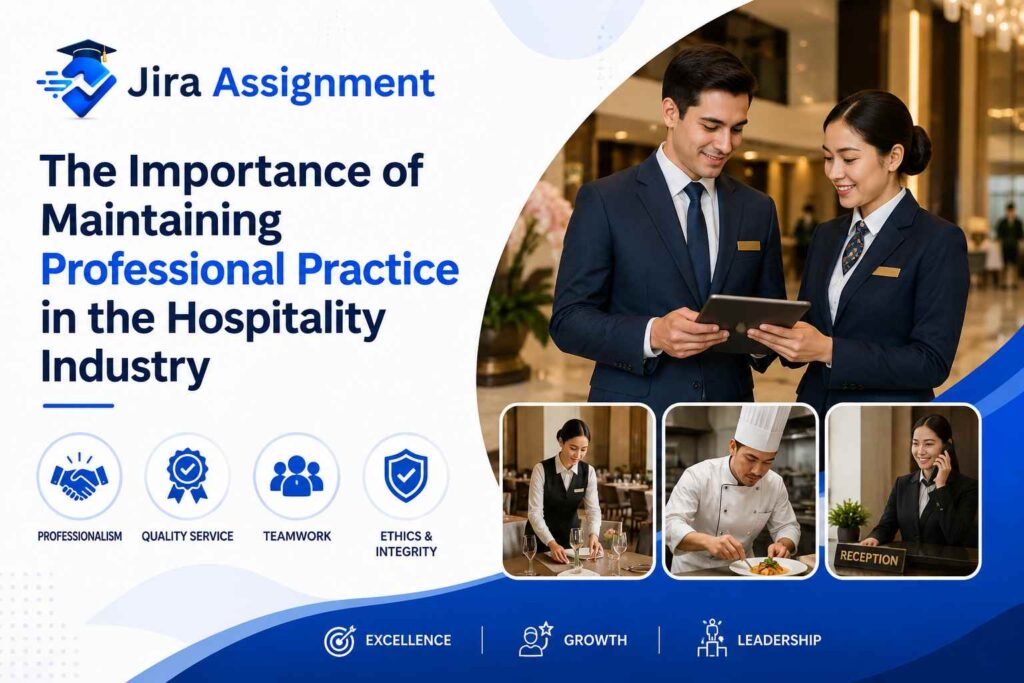
Professional practice is one of the foundations of success in the hospitality industry. Hotels, restaurants, travel agencies, resorts, and event management companies depend on skilled professionals who can provide outstanding customer service while adapting to the rapidly changing digital economy. Modern hospitality businesses no longer rely solely on face-to-face interactions; they increasingly use digital technologies such as online booking systems, AI-powered customer support, mobile applications, cloud computing, and contactless payment systems.
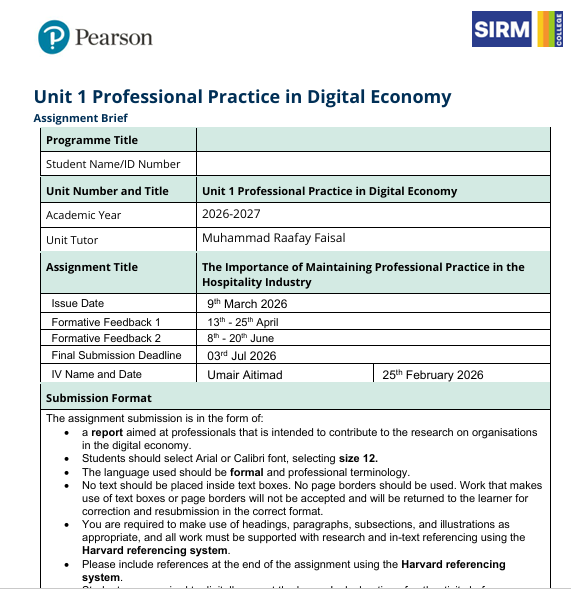
As technology evolves, hospitality professionals must continuously improve their knowledge, communication abilities, and workplace skills. Professional development, effective teamwork, and constructive feedback play a vital role in helping employees meet customer expectations and organisational goals. This article discusses the importance of maintaining professional practice by examining digital transformation, career development, transferable skills, and the role of feedback in today’s hospitality workplace.
Highlights
- Evolution of Digital Technologies in Hospitality
- Impact of Digital Technologies on the Workplace
- Importance of Professional Development
- Transferable Skills for Effective Problem Solving
- Communication in Professional Practice
- The Role of Feedback in Professional Development
- Best Practices for Maintaining Professional Practice
- Conclusion
Evolution of Digital Technologies in Hospitality
Digital transformation has completely changed how hospitality organisations operate. Traditional manual processes have been replaced with intelligent digital solutions that improve efficiency and customer satisfaction.
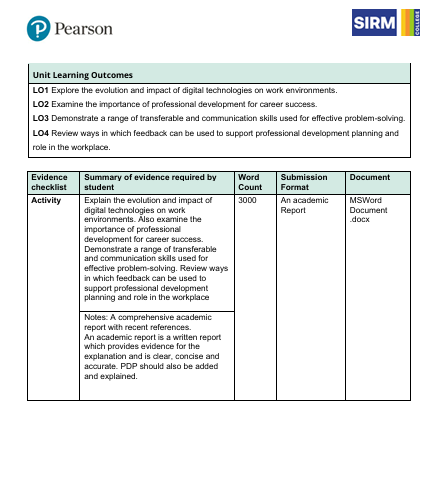
Major Technologies Used Today
| Traditional Hospitality | Modern Digital Hospitality |
|---|---|
| Paper reservations | Online Booking Systems |
| Cash payments | Digital & Contactless Payments |
| Manual check-in | Self Check-in Kiosks |
| Phone bookings | Mobile Applications |
| Paper records | Cloud-Based PMS |
| Manual customer support | AI Chatbots |
Key Benefits
- Faster customer service
- Reduced operational costs
- Better customer experience
- Improved decision-making
- Higher productivity
Impact of Digital Technologies on the Workplace
Technology has reshaped both customer experiences and employee responsibilities. Staff now work with cloud-based systems, mobile devices, and real-time communication platforms instead of relying entirely on manual processes.
Some of the major workplace impacts include:
- Improved communication between departments
- Faster booking and reservation management
- Better inventory control
- Enhanced guest personalisation
- Real-time business reporting
- Greater workplace flexibility
At the same time, organisations face challenges such as cybersecurity threats, employee resistance to new technologies, and the need for continuous digital training. Successful businesses address these challenges by investing in modern technology and employee development.
Importance of Professional Development
Professional development refers to continuously improving knowledge, skills, and workplace performance throughout a career. In hospitality, where customer expectations constantly change, learning should never stop.
Employees who regularly participate in training become more confident, productive, and adaptable to technological advancements.
Benefits for Employees
- Career progression
- Higher confidence
- Better digital skills
- Increased employability
- Leadership development
Benefits for Organisations
- Improved service quality
- Higher employee retention
- Increased customer satisfaction
- Better organisational performance
- Competitive advantage
Transferable Skills for Effective Problem Solving
Transferable skills are abilities that can be applied across different job roles and industries. Hospitality professionals rely heavily on these skills to solve workplace challenges and deliver excellent customer service.
Essential Skills
| Skill | Importance in Hospitality |
|---|---|
| Communication | Builds customer relationships |
| Teamwork | Improves service delivery |
| Problem Solving | Resolves customer complaints |
| Time Management | Handles busy schedules |
| Adaptability | Responds to changing environments |
| Leadership | Motivates and guides teams |
For example, if a hotel experiences an overbooking issue, employees must communicate effectively with guests, work together to find alternative accommodation, and resolve the situation professionally. Strong transferable skills help minimise customer dissatisfaction and protect the organisation’s reputation.
Communication in Professional Practice
Communication is one of the most important competencies in the hospitality industry. Employees communicate with customers, colleagues, suppliers, and management throughout the working day.
Effective communication contributes to:
- Better customer experiences
- Stronger teamwork
- Faster conflict resolution
- Improved operational efficiency
- Higher customer loyalty
Digital communication tools such as Microsoft Teams, Zoom, WhatsApp Business, and hotel management software have become essential for coordinating daily operations across departments.
The Role of Feedback in Professional Development
Feedback allows employees to identify strengths and areas requiring improvement. Constructive feedback encourages continuous learning and supports career growth.
Effective Feedback Should Be
- Timely
- Specific
- Respectful
- Action-oriented
- Balanced
Regular performance reviews, customer feedback surveys, peer evaluations, and manager observations all contribute to professional improvement. Organisations that encourage an open feedback culture often experience higher employee engagement and improved service quality.
Best Practices for Maintaining Professional Practice
Hospitality organisations can maintain high professional standards by combining digital innovation with continuous employee development.
Some effective practices include:
- Providing regular staff training.
- Encouraging lifelong learning.
- Promoting ethical behaviour.
- Investing in digital technologies.
- Supporting teamwork and collaboration.
- Conducting regular performance reviews.
- Recognising employee achievements.
- Encouraging innovation and creativity.
These practices help create a positive workplace culture while improving customer satisfaction and organisational performance.
Conclusion
Maintaining professional practice has become essential for success in the modern hospitality industry. As digital technologies continue to transform workplace environments, hospitality professionals must adapt by developing new technical knowledge, strengthening transferable skills, and embracing continuous professional development. Effective communication, teamwork, ethical behaviour, and problem-solving abilities remain fundamental to delivering outstanding customer experiences.
Organisations that invest in employee training, encourage constructive feedback, and adopt innovative digital solutions are better positioned to meet changing customer expectations and achieve sustainable growth. Ultimately, maintaining professional practice not only enhances individual career success but also contributes to the long-term competitiveness and reputation of hospitality businesses within the digital economy.